Project Case Study: Emergency Infrastructure Replacement
The Incident and Immediate Response
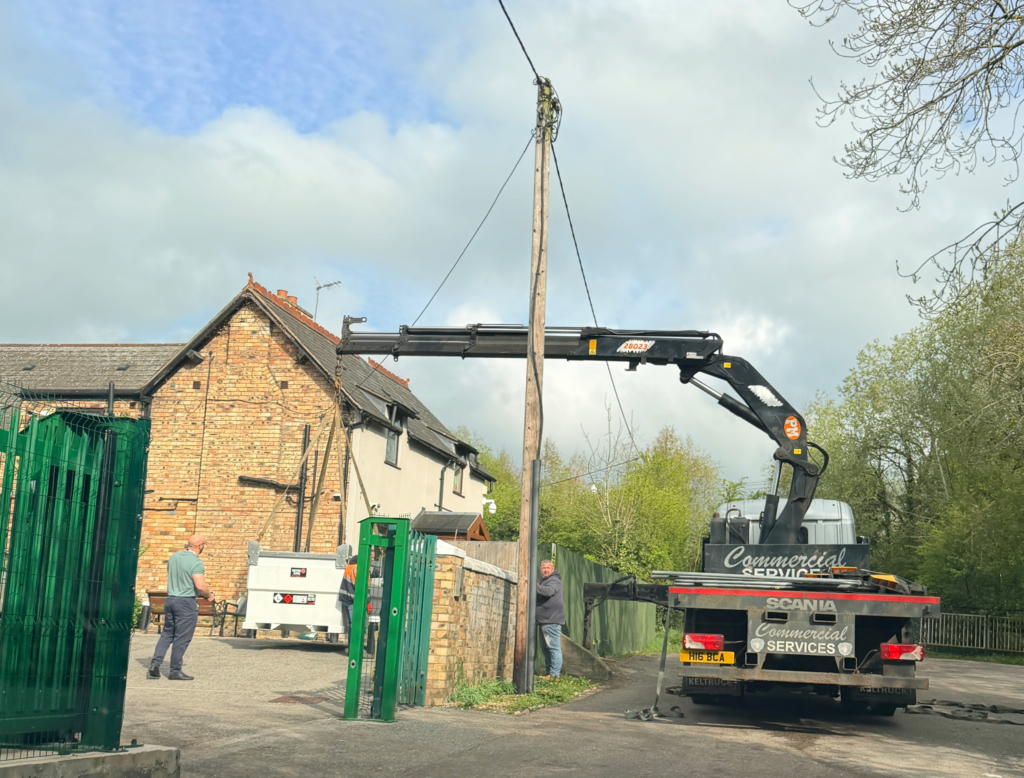
When a critical failure left the Ministry of Justice facility completely without heating and hot water due to the failure of two split 2,500-litre oil tanks, a rapid response was required to keep the secure facility operational. HFL Building Solutions Group stepped in to deliver a comprehensive, end-to-end emergency infrastructure replacement, providing immediate temporary relief while managing the full installation of new compliant assets and rectifying critical compliance issues on site.
Scope of the Challenge
The site faced a total infrastructure failure when its existing two split 2,500-litre oil tanks failed, cutting off all essential heating and hot water to the facility. As a secure, active public sector site, it required continuous operation and immediate action to maintain a habitable environment for occupants and staff. Beyond the primary tank failure, site inspections revealed that the existing flue system was non-compliant, presenting an additional safety hazard that needed to be addressed.
Execution and Implementation
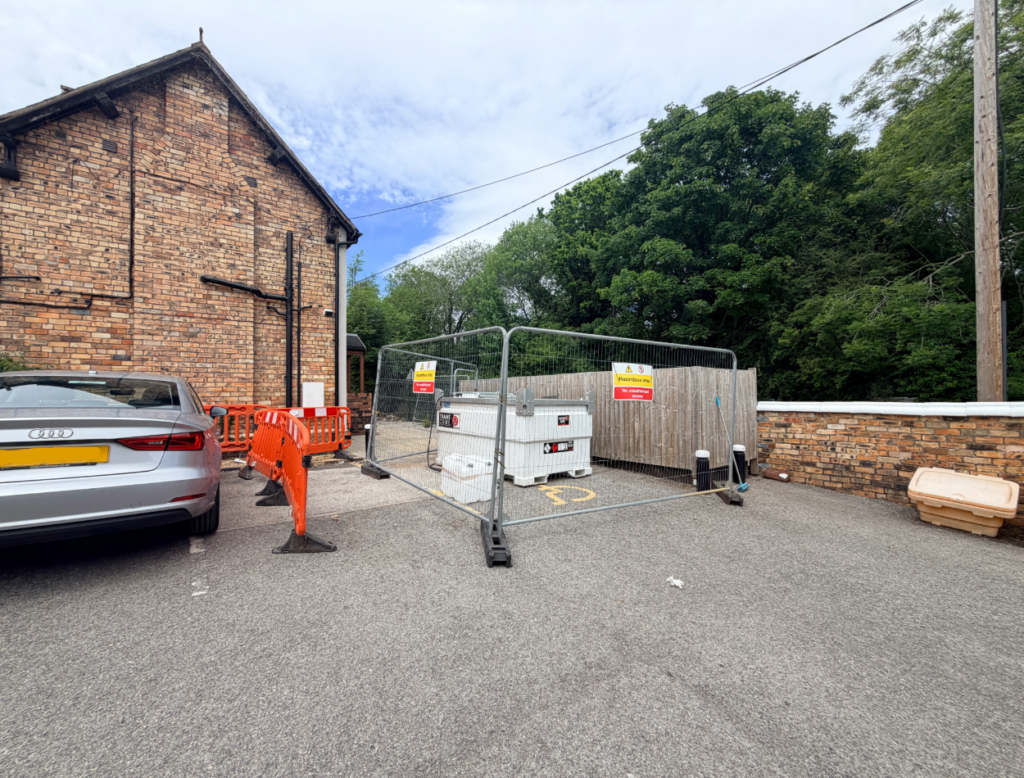
HFL managed the project through a rapid, structured response timeline. First, the team deployed and operationalised a temporary oil tank within a matter of days to immediately restore emergency heating and hot water capabilities to the site. Next, they organised and self-delivered the full replacement of the failed infrastructure by installing two new 2,500-litre oil tanks. To enhance asset management, the new tanks were outfitted with advanced wireless oil level sensors to provide remote visibility and prevent future unexpected dry-outs. Finally, the team addressed and rectified the non-compliant flue system to bring the entire heating setup up to standard and ensure full regulatory compliance and safety.
Final Results and Operational Impact
The project successfully restored reliable, long-term heating and hot water to a high-security public sector facility without prolonged disruption. It modernised the site’s fuel storage with automated, wireless monitoring for improved operational oversight and resolved critical compliance risks, including the non-compliant flue, leaving the facility with a safe, efficient, and future-proofed heating infrastructure.